Featured
A Biased View of Does Bankruptcy Make Sense for Everyone
Sector Trends for Online vs Phone Credit Counseling: Whic...

How Modern Tools Makes Financial Help More Accessible for...
The Genuine Expense of Ignoring Debt: How Expert Therapy Providers Are Transforming Financial Recuperation
Table of Contents
- – The Expanding Need for Financial Debt Mercy So...
- – Insolvency Therapy: The Misunderstood Security...
- – Contrasting Your Debt Alleviation Options
- – What Establishes Nonprofit Therapy Apart
- – Caution Indicators of Predacious Financial Deb...
- – Taking the First Action Toward Recovery
- – The Course Ahead
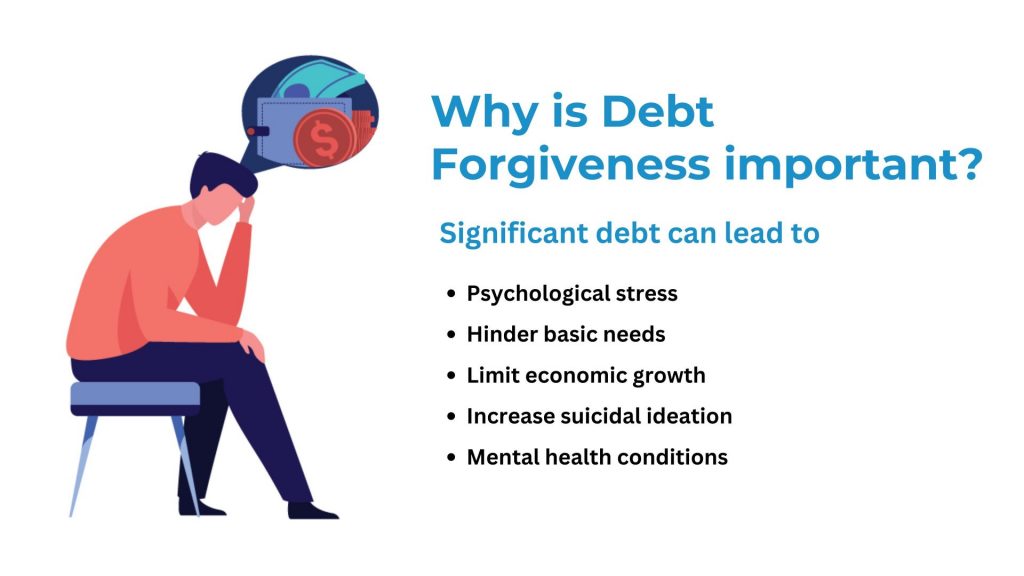
Monetary stress has come to be a specifying characteristic of modern American life. With total charge card financial obligation going beyond $1.21 trillion and the typical cardholder owing greater than $6,500, numerous individuals locate themselves entraped in cycles of minimal settlements and intensifying interest. When credit report card rate of interest hover around 23%, even modest balances can swell into frustrating concerns within months.
For those sinking in financial debt, the question isn't whether to look for aid-- it's discovering the right sort of help that will not make issues worse.
The Expanding Need for Financial Debt Mercy Solutions
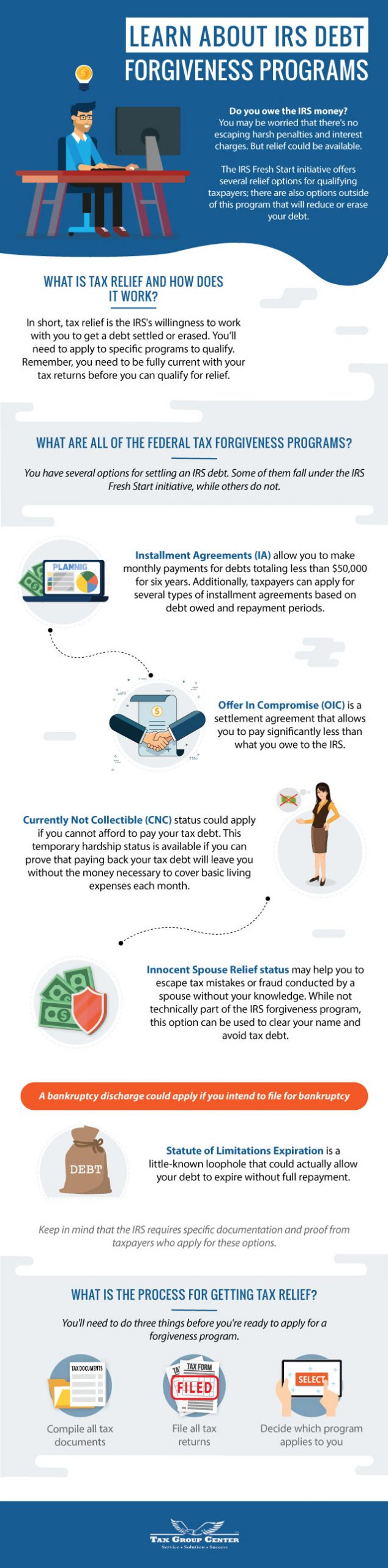
Financial obligation mercy has actually arised as among one of the most searched monetary topics on the internet, and forever factor. The concept of resolving financial obligations for less than the sum total owed deals authentic hope to individuals that see no realistic path to paying their balances in complete.
The process generally functions such as this: when credit history card accounts go unsettled for 120 days or more, creditors commonly charge off the financial debt. At this phase, they might accept minimized settlements to recoup a minimum of a portion of what's owed. Effective negotiations can reduce balances by 30% to 50%, depending on the creditor and your shown financial difficulty.
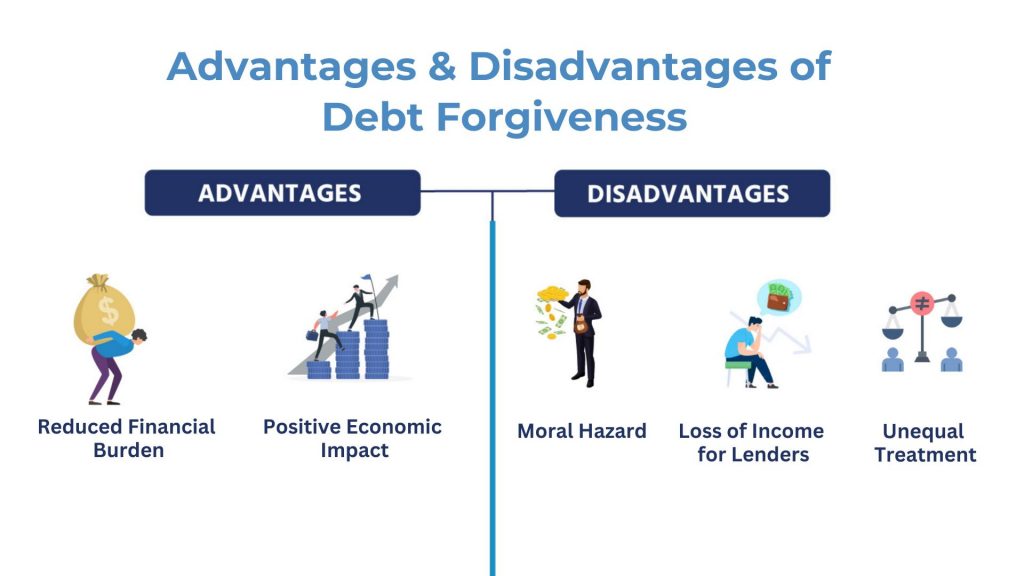
Nonetheless, financial obligation forgiveness isn't free cash. Resolved accounts appear on credit rating reports as "" paid less than complete equilibrium,"" which impacts your rating. In addition, forgiven quantities exceeding $600 may be reported to the IRS as taxable income. Comprehending these compromises before pursuing settlement is essential.
Insolvency Therapy: The Misunderstood Security Net
Insolvency brings considerable stigma, yet it continues to be a legitimate lawful tool created to give overloaded people a genuine new beginning. What lots of people don't understand is that government law calls for two therapy sessions before and after declaring-- and these sessions exist especially to guarantee you're making an educated choice.
Pre-bankruptcy debt therapy includes a detailed evaluation of your earnings, debts, and expenditures. Qualified therapists existing choices you might not have taken into consideration, including debt management programs or difficulty arrangements. This isn't concerning preventing bankruptcy; it has to do with confirming it's absolutely your ideal option.
Post-bankruptcy debtor education prepares you for financial success after discharge. You'll discover budgeting strategies, conserving strategies, and credit rebuilding approaches made to avoid future financial troubles.
Organisations like APFSC offer both called for courses, with fees around $19.99 per session unless you qualify for difficulty waivers. Their certified therapists provide same-day certificates, and sessions usually run 60 to 90 mins. This access matters when you're already emphasized regarding financial resources.
Contrasting Your Debt Alleviation Options
Understanding the landscape of financial debt relief aids you make notified choices. Each method lugs distinct benefits and downsides.
Financial Obligation Management Programs combine several unsafe financial obligations right into solitary monthly settlements. Therapists bargain with lenders to possibly reduce rate of interest without requiring brand-new loans. The majority of clients total these programs within 3 to 5 years. The key advantage is paying financial obligations completely while minimizing overall interest paid.
Debt Settlement works out reduced payback amounts, typically 30% to 50% much less than owed. This strategy calls for stopping repayments to financial institutions while building up negotiation funds, which harms credit report ratings throughout the procedure. Results vary based on creditor willingness and your demonstrated challenge.
Personal bankruptcy supplies court defense while removing or reorganizing financial obligations. Chapter 7 sells off certain possessions to release unsafe debts quickly. Chapter 13 develops three-to-five-year repayment prepare for those with regular revenue. Insolvency continues to be on credit rating records for seven to 10 years yet supplies one of the most comprehensive clean slate.
Debt Counseling gives education and learning and support without necessarily signing up in formal programs. Licensed therapists examine your full monetary picture and suggest ideal following steps, which may consist of any one of the above choices.
What Establishes Nonprofit Therapy Apart
The difference between nonprofit and for-profit financial obligation relief business matters significantly. Not-for-profit firms like those accredited by the National Foundation for Credit Score Counseling (NFCC) run under strict honest standards and charge laws. Their counselors undergo rigorous accreditation and must recertify every 2 years.
For-profit debt settlement firms, on the other hand, might charge costs varying from 15% to 25% of enlisted financial debt equilibriums. Some employ aggressive sales techniques and make impractical promises regarding outcomes. The Consumer Financial Security Bureau has actually recorded countless issues about predatory practices in this field.
APFSC operates as a nonprofit counseling firm, providing free financial debt management consultations and regulated costs for continuous services. Their HUD-approved real estate therapists include worth for those dealing with repossession along with general financial debt concerns. Solutions are readily available in English, Spanish, and Portuguese, broadening ease of access to underserved neighborhoods.
Study sustains the performance of not-for-profit therapy. A study appointed by the NFCC located that credit therapy clients decreased revolving financial debt by $3,600 even more than comparison teams during the 18 months following their sessions. Nearly 70% of participants reported better finance and higher monetary self-confidence.
Caution Indicators of Predacious Financial Debt Relief Services
Not all financial obligation alleviation firms have your ideal passions in mind. Acknowledging warnings shields you from making a tough circumstance worse.
Be careful of business that ensure certain results. No reputable solution can guarantee precise negotiation percents or timeline guarantees since outcomes depend on private financial institutions and scenarios.
Prevent any kind of company demanding big upfront charges prior to giving services. Genuine not-for-profit therapy uses complimentary initial examinations, and for-profit negotiation companies are legally forbidden from gathering fees up until they efficiently work out a minimum of one financial obligation.
Concern anybody suggesting you to quit interacting with financial institutions completely without explaining the consequences. While strategic interaction pauses in some cases support negotiations, total avoidance can cause suits, wage garnishment, and added damages.
Genuine firms discuss all options honestly, including options that may not involve their paid services. If a firm presses just one service regardless of your situation, look for guidance elsewhere.
Taking the First Action Toward Recovery
Financial recuperation starts with sincere analysis. Collect your latest declarations for all financial debts, calculate your complete commitments, and evaluate your reasonable regular monthly payment ability. This information forms the structure for any kind of productive therapy session.
Consider scheduling free examinations with several nonprofit firms prior to devoting to any program. Compare their referrals, fee frameworks, and interaction styles. The appropriate therapy relationship ought to really feel supportive rather than pushing.
Organisations like APFSC supply online conversation, phone examinations, and detailed intake procedures designed to understand your distinct situation before suggesting remedies. Their debt administration calculator assists you imagine potential timelines and cost savings before registering.
The Course Ahead
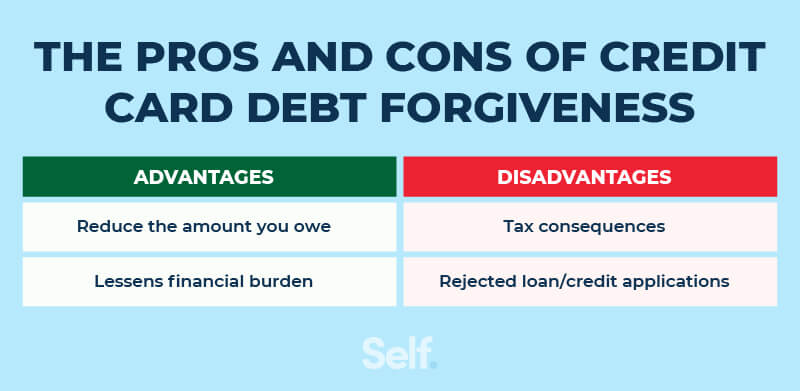
Overwhelming financial obligation does not define your future-- however ignoring it will. Whether financial obligation mercy, insolvency counseling, or organized debt management makes feeling for your circumstance depends upon elements unique to your circumstances.
Professional guidance from accredited not-for-profit counselors illuminates alternatives you might never uncover individually. These solutions exist specifically to aid people like you browse intricate monetary difficulties without predative fees or unrealistic assurances.
The typical American fighting with financial obligation waits much too lengthy prior to looking for aid, allowing rate of interest to compound and options to slim. Each month of delay prices cash and extends your recovery timeline.
Rental Counseling: What You Didn’t Know You Could Get Help With : APFSCYour initial conversation with a qualified therapist prices nothing however might transform every little thing. Financial freedom isn't reserved for the lucky-- it's available to any individual willing to take that initial step toward recognizing their options and devoting to a sensible strategy.

Table of Contents
- – The Expanding Need for Financial Debt Mercy So...
- – Insolvency Therapy: The Misunderstood Security...
- – Contrasting Your Debt Alleviation Options
- – What Establishes Nonprofit Therapy Apart
- – Caution Indicators of Predacious Financial Deb...
- – Taking the First Action Toward Recovery
- – The Course Ahead
Latest Posts

All About Developing Your Financial Recovery Plan
A Biased View of Does Bankruptcy Make Sense for Everyone
Sector Trends for Online vs Phone Credit Counseling: Which Format Is Right for You? Services Can Be Fun For Anyone
More
Latest Posts
All About Developing Your Financial Recovery Plan
A Biased View of Does Bankruptcy Make Sense for Everyone
Sector Trends for Online vs Phone Credit Counseling: Which Format Is Right for You? Services Can Be Fun For Anyone