Featured
A Biased View of Does Bankruptcy Make Sense for Everyone
Sector Trends for Online vs Phone Credit Counseling: Whic...

How Modern Tools Makes Financial Help More Accessible for...
A Biased View of Does Bankruptcy Make Sense for Everyone
Table of Contents
If you have questions or want more information concerning AMP, please see our Help Center. Picture Are signed up in the California Alternate Rates for Power (TREATMENT) or Family Electric Rate Support (FERA) program. Have actually been an SCE consumer for a minimum of 6 months. Have a past-due expense amounting to more than $500 (a few of which have been unpaid for even more than 90 days). Have made at the very least one on-time payment in the past 24 months.
Consumers that sign up in the AMP program are not eligible for installment plans. Web Energy Metering (NEM), Direct Gain Access To (DA), and master metered customers are not currently eligible. For consumers planning on moving within the following 60 days, please relate to AMP after you've developed service at your brand-new move-in address.
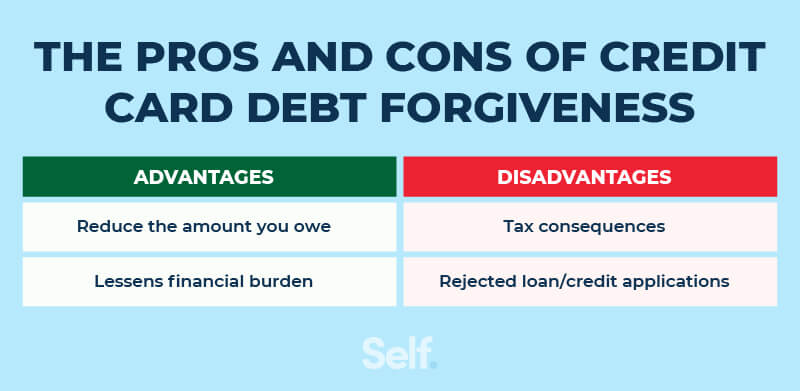
The catch is that not-for-profit Credit score Card Financial obligation Mercy isn't for every person. InCharge Debt Solutions is one of them.
"The other highlight was the perspective of the counselor that we might get this done. I was feeling like it had not been going to take place, however she kept with me, and we obtained it done." The Bank Card Forgiveness Program is for individuals who are up until now behind on charge card settlements that they remain in significant financial problem, perhaps dealing with bankruptcy, and don't have the earnings to capture up."The program is particularly developed to aid customers whose accounts have actually been charged off," Mostafa Imakhchachen, customer treatment specialist at InCharge Debt Solutions, said.
Get This Report on Your Introduction to Debt Counseling with APFSC
Creditors that take part have agreed with the not-for-profit credit counseling firm to accept 50%-60% of what is owed in fixed month-to-month settlements over 36 months. The fixed repayments imply you know specifically just how much you'll pay over the settlement duration. No interest is charged on the balances during the benefit period, so the payments and amount owed do not change.
It does reveal you're taking an active function in decreasing your financial debt. Considering that your account was currently method behind and charged off, your credit history was already taking a hit. After settlement, the account will certainly be reported as paid with a no balance, as opposed to outstanding with a collections firm.
The counselor will evaluate your finances with you to determine if the program is the right option. The testimonial will certainly consist of a take a look at your month-to-month income and expenditures. The company will certainly pull a credit rating report to recognize what you owe and the level of your challenge. If the mercy program is the ideal option, the counselor will send you an agreement that details the strategy, consisting of the amount of the month-to-month settlement.
If you miss out on a settlement, the contract is nullified, and you should exit the program. If you assume it's an excellent alternative for you, call a therapist at a not-for-profit credit report counseling company like InCharge Financial obligation Solutions, that can address your inquiries and help you identify if you certify.
Why Financial Trauma Recovery: Counseling Techniques for Clients with Repeated Financial Crises Matters Fundamentals Explained
Due to the fact that the program enables borrowers to go for less than what they owe, the financial institutions who participate desire peace of mind that those that benefit from it would certainly not be able to pay the total. Your charge card accounts also must be from banks and bank card companies that have agreed to get involved.
Equilibrium must go to the very least $1,000.Agreed-the balance has to be repaid in 36 months. There are no expansions. If you miss a repayment that's simply one missed repayment the contract is terminated. Your financial institution(s) will cancel the strategy and your balance goes back to the original amount, minus what you have actually paid while in the program.
With the forgiveness program, the creditor can instead choose to keep your financial debt on the books and redeem 50%-60% of what they are owed. Nonprofit Charge Card Debt Mercy and for-profit financial debt negotiation are similar because they both give a way to clear up bank card financial debt by paying less than what is owed.
Some Ideas on The Pros and Disadvantages When Considering Financial Trauma Recovery: Counseling Techniques for Clients with Repeated Financial Crises You Should Know
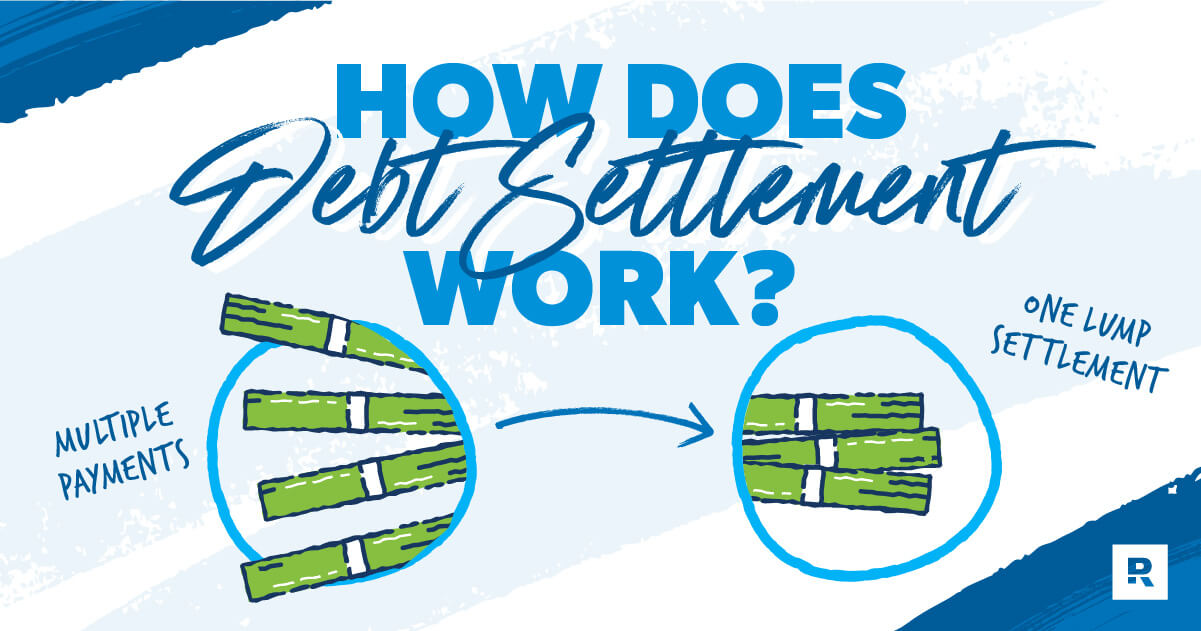
Bank card mercy is developed to set you back the consumer much less, pay off the debt quicker, and have fewer disadvantages than its for-profit equivalent. Some key locations of distinction between Charge card Debt Mercy and for-profit financial obligation settlement are: Bank card Financial obligation Mercy programs have partnerships with financial institutions that have agreed to get involved.
Once they do, the benefit duration starts instantly. For-profit financial debt negotiation programs bargain with each creditor, generally over a 2-3-year duration, while rate of interest, fees and calls from debt collectors proceed. This implies a bigger appeal your credit score report and credit history score, and a raising balance up until negotiation is finished.

Bank Card Financial debt Forgiveness clients make 36 equivalent monthly payments to remove their debt. The settlements most likely to the creditors till the agreed-to balance is eliminated. No rate of interest is billed during that period. For-profit financial obligation negotiation clients pay into an escrow account over a negotiation period toward a swelling amount that will be paid to creditors.

Table of Contents
Latest Posts

All About Developing Your Financial Recovery Plan
A Biased View of Does Bankruptcy Make Sense for Everyone
Sector Trends for Online vs Phone Credit Counseling: Which Format Is Right for You? Services Can Be Fun For Anyone
More
Latest Posts
All About Developing Your Financial Recovery Plan
A Biased View of Does Bankruptcy Make Sense for Everyone
Sector Trends for Online vs Phone Credit Counseling: Which Format Is Right for You? Services Can Be Fun For Anyone